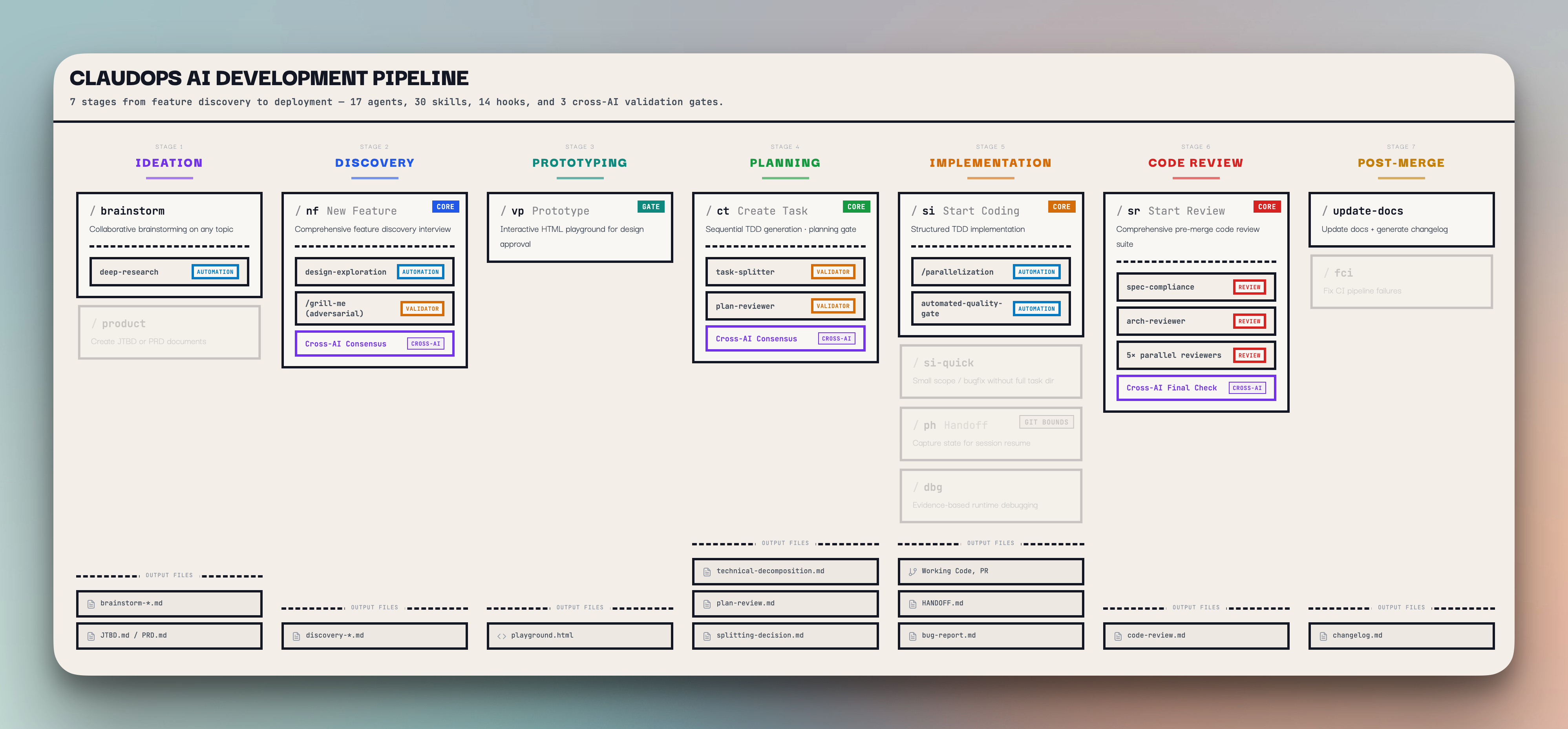
Grill Me
Pressure-test a plan or design until the remaining ambiguity is explicit, bounded, and easy to communicate.
For task work, resolve the reviewed artifact with
../setup/references/task-context.md. Read the linked
entrypoint and relevant sections only; return the compact decision summary to the caller, which
owns any durable task update.
Core Behavior
- First, enumerate every candidate risk you can see across all categories
below (scope, states/flows, assumptions, wording, decision branches) — keep
this internal list so nothing drops silently. A later step filters to what
is worth asking.
- Then surface one focused question at a time, ordered by what most changes
the feature shape if answered wrong — the user must be able to answer
without re-reading the whole thread; batched questions get half-answered
or ignored.
- For each question, provide your recommended answer or default position.
- If a question can be answered from the codebase or docs, explore there
instead of asking the user.
- Prefer exposing hidden assumptions over inventing extra scope — the goal
is to sharpen an existing plan, not to bolt on new features under the
guise of stress-testing.
Adversarial Discipline
- When you offer a recommended answer, first spend one beat trying to disprove it. Confirmation is the failure mode — a default you only defended is weaker than one you tried to break.
- Bound the loop. If two consecutive rounds surface only minor or already-considered points, stop and report — continuing is grill theater (motion without new information), not rigor.
- For a high-stakes or irreversible decision, offer the user a fresh-context adversarial check: a subagent prompted to find what's wrong, given the artifact and its constraints — not your preferred answer. Handing over your conclusion biases the reviewer toward agreement. Never invoke an external CLI for this without explicit user authorization.
When Invoked From Discovery
Scan every section of the discovery document (scope, flows, states,
constraints, out-of-scope, open questions, risks) — not only the first
section or headline. Then prioritize:
- Unclear scope boundaries
- Missing states, flows, or edge cases
- Hidden assumptions
- Ambiguous wording a new reader could misinterpret
- Decision branches that materially change the feature shape
Avoid:
- Deep implementation detail unless it changes scope, user experience, risk, or constraints
- Speculative product expansion that should instead be captured as out of scope
Stop Condition
Stop when:
- The main branches of the decision tree are resolved or explicitly cut
- The remaining ambiguity is minor and non-blocking
- The caller can clearly document flow, scope, constraints, and risks
Return To Caller
When the stop condition is met, finish by returning this compact summary
(so the caller — typically /nf or /ct — can paste it into the doc
without editing):
- Clarifications made
- Scope cuts or out-of-scope decisions
- Hidden assumptions uncovered
- Wording fixes or ambiguity reductions
- Remaining risks or blockers
Return this summary after the stop condition is met. Keep the review read-only unless the
caller explicitly authorizes editing the reviewed artifact; a recommendation or a completed
question round is not itself permission to change the plan.
1---2name: grill-me3description: Use when a plan, design, or discovery document needs stress-testing for hidden assumptions, scope gaps, unresolved branches, or ambiguous wording; also when the user explicitly says "grill me".4metadata:5 source: https://skillmd.com/skills/alexandrbasis/grill-me6---78# Grill Me910Pressure-test a plan or design until the remaining ambiguity is explicit, bounded, and easy to communicate.1112For task work, resolve the reviewed artifact with13[`../setup/references/task-context.md`](../setup/references/task-context.md). Read the linked14entrypoint and relevant sections only; return the compact decision summary to the caller, which15owns any durable task update.1617## Core Behavior1819- First, enumerate every candidate risk you can see across all categories20 below (scope, states/flows, assumptions, wording, decision branches) — keep21 this internal list so nothing drops silently. A later step filters to what22 is worth asking.23- Then surface one focused question at a time, ordered by what most changes24 the feature shape if answered wrong — the user must be able to answer25 without re-reading the whole thread; batched questions get half-answered26 or ignored.27- For each question, provide your recommended answer or default position.28- If a question can be answered from the codebase or docs, explore there29 instead of asking the user.30- Prefer exposing hidden assumptions over inventing extra scope — the goal31 is to sharpen an existing plan, not to bolt on new features under the32 guise of stress-testing.3334## Adversarial Discipline3536- When you offer a recommended answer, first spend one beat trying to **disprove** it. Confirmation is the failure mode — a default you only defended is weaker than one you tried to break.37- **Bound the loop.** If two consecutive rounds surface only minor or already-considered points, stop and report — continuing is grill theater (motion without new information), not rigor.38- For a high-stakes or irreversible decision, offer the user a **fresh-context adversarial check**: a subagent prompted to *find what's wrong*, given the artifact and its constraints — **not** your preferred answer. Handing over your conclusion biases the reviewer toward agreement. Never invoke an external CLI for this without explicit user authorization.3940## When Invoked From Discovery4142Scan every section of the discovery document (scope, flows, states,43constraints, out-of-scope, open questions, risks) — not only the first44section or headline. Then prioritize:4546- Unclear scope boundaries47- Missing states, flows, or edge cases48- Hidden assumptions49- Ambiguous wording a new reader could misinterpret50- Decision branches that materially change the feature shape5152Avoid:53- Deep implementation detail unless it changes scope, user experience, risk, or constraints54- Speculative product expansion that should instead be captured as out of scope5556## Stop Condition5758Stop when:59- The main branches of the decision tree are resolved or explicitly cut60- The remaining ambiguity is minor and non-blocking61- The caller can clearly document flow, scope, constraints, and risks6263## Return To Caller6465When the stop condition is met, finish by returning this compact summary66(so the caller — typically `/nf` or `/ct` — can paste it into the doc67without editing):6869- Clarifications made70- Scope cuts or out-of-scope decisions71- Hidden assumptions uncovered72- Wording fixes or ambiguity reductions73- Remaining risks or blockers7475Return this summary after the stop condition is met. Keep the review read-only unless the76caller explicitly authorizes editing the reviewed artifact; a recommendation or a completed77question round is not itself permission to change the plan.