
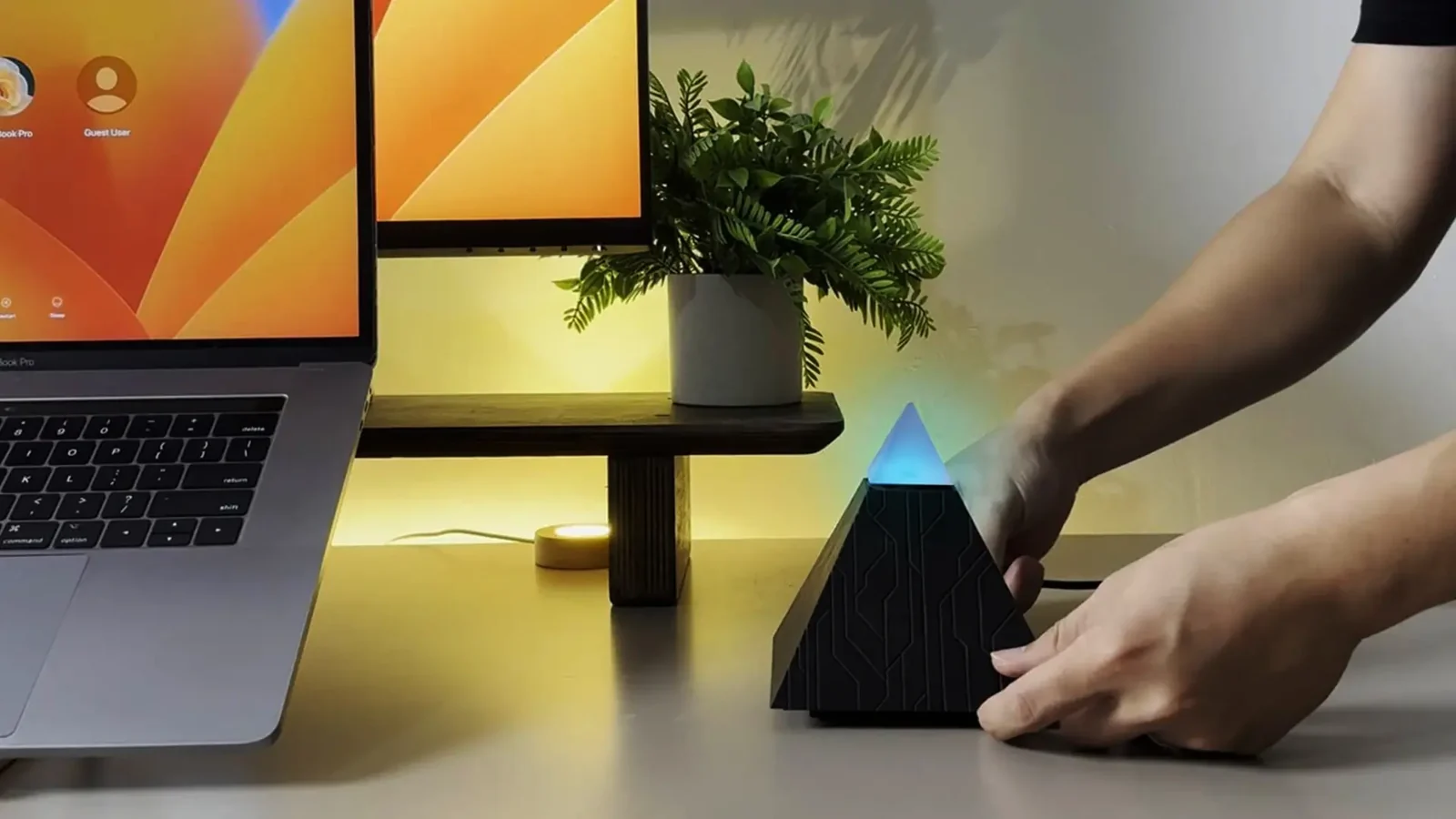
The core onboarding skill invites; the system runner verifies physical evidence and keeps progress. It never changes microphone or camera permission.
Its skill.toml contains the walk's order (where you sit, then who you
are, #5499; the walk follows it alone, and the model is told no step list),
every first and re-offer
note, the re-offer interval, optional nudge notes and answer counts, and the
coaching and outcome notes under [onboarding]. The shipped notes
match the previous runner word for word. Voice checks and snapshots this data
once before audio opens; mute/reopen and repeated walks reuse it. A later
skill-only update or repair needs an operator-managed Voice restart. Missing
or invalid data disables only the walk until that restart, with no built-in
fallback; physical privacy and storage handling continue. See
docs/onboarding.md for the
schema, byte bounds, loading rules and activation boundary.
For privacy, the runner supplies the verified device profile's switch location. If the location is missing, the step is unavailable: never guess where it is. The invitation is two short sentences the runner gives, about 3-5 s spoken ("Find my privacy switch . Close it, then open it again."): say only that. The person may close the switch while it is being said; that counts and the switch stops the lamp's words. Never promise a spoken reply while it is closed. The runner, not a model report, verifies close and reopen. Opening after five minutes expires the attempt; it is not successful evidence. Other steps keep the runner's 90-second timeout after 20 seconds of quiet. Skipping and redoing remain the runner's existing tools, not new functions of this skill.
A step that ends with no attempt (no words heard, no push, tap or call, no
switch close) is later, never failed: the runner says the skill's later
line and the walk goes on. Only the runner's evidence decides it, never a
report. Once the walk is over, with someone there and the room quiet, a
later step is offered again with its later_reoffer line naming it, then
its reoffer note: first later_after_s
after the walk ends, then once after reoffer_after_s, twice at most. A
later step counts as not done. "Where you sit" is never later: its
reoffer is its short line within a walk, and its later_reoffer is said
in its place when it is offered again on a later visit.
The runner also ends "who you are" on a name heard and a yes after it, and
"preferences" on both answers heard; call setup_step all the same, as the
notes say. A report for a step the runner has already ended changes nothing.
For how they sound, each invitation is one prompt, said exactly as the runner words it: the first names the phrase to say from their usual seat ("Hey Lamp") and that it asks until it has heard three; each later one answers the last call ("Got it. Say 'Hey Lamp' once more." or "I didn't catch that. …"). The phrase is never the prompt's last words, so the lamp's own voice is not taken for the call. The runner, not a model report, judges each call from the name heard and the room microphone's rise; it keeps only those numbers, never sound. At most five prompts are asked; the model can only skip the step.
For giving way (parked, #3702: lamp-voice keeps it not_available and never
tells the model of it; its words below and in skill.toml stay), the invitation asks the person to hold the lamp's base with one
hand and, with the other, move its head gently, any way, just a little: any head joint counts, a nudge is
enough, and the runner listens from the invitation's start. A felt push is
answered at once ("That's it, now let go"), one let go too soon asks for a little more,
and a quiet try is prompted once, in the runner's exact lines. The runner, not a model report, judges it from the
body's own word that a hand moved the head, the body held it there and the
hand let go. The skill asks nothing of the body; the model can only skip it.
Consent is a code-checked boundary in the editable notes. Keep the exact
only after a clear yes call remember_my_face clause in both who_you_are
notes, and done only after a clear yes in both room_sounds and both
face_expressions notes. Voice
and Skills refuse loading or packaging if any of these clauses changes.